Free scorecard · three minutes
Is your business running on leverage, or on you?
Find out how much of your business is powered by OPM, OPR, and OPT, and where you're leaving money, time, and enterprise value on the table. Built on Roland's LEGS framework. No email needed to see your score.
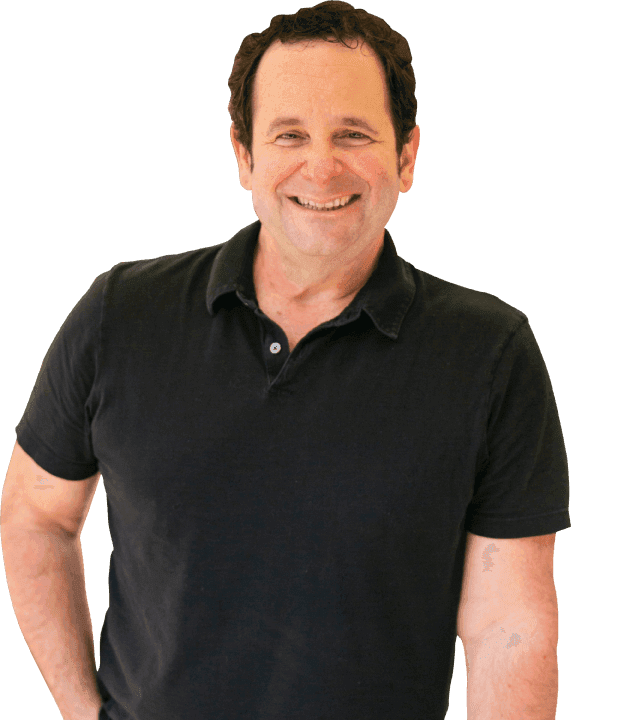
Roland Frasier · 200+ Strategy Sessions · $1M to $250M in Exits
Your leverage score starts to show after three answers.
What it measures
Three axes of leverage.
Twelve questions measure money, resources, and time. Your score is the average of the three.
- OPM
Other People's Money
Are you funding growth with your own cash, or are you using leverage?
- OPR
Other People's Resources
Are you building everything yourself, or are you using assets, audiences, and infrastructure that others have already built?
- OPT
Other People's Time
Is the business running on your time, or have you installed people and systems that run it without you?
Five levels, one score out of 100.
Open a level to see what it looks like and what gets you to the next one.
0 to 30Brute ForceThe Operator
You're the engine. Revenue, decisions, and execution all run through you. The business has momentum, but it has it because you're personally pushing it forward every day.
Next: Evolution 2, Early Leverage. Start trading effort for leverage. Pick one area (money, resources, or time) and make one move this quarter that doesn't require more of your hours.
31 to 55Early LeverageThe Manager
You've started building leverage: a few hires, a partnership or two, maybe some outside capital. But the business still leans on you for the important moves.
Next: Evolution 3, Building Leverage. Install a layer between you and the work. Hire or promote one person whose job is to own an outcome you currently own.
56 to 75Building LeverageThe CEO
You've built real leverage. You have leaders, systems, and probably some smart capital or partnership structures in place. The business runs, but you're still the strategic center of gravity.
Next: Evolution 4, Leverage Leader. Move from running the business to designing it. Spend the next 90 days on strategy, M&A, or capital, not operations.
76 to 90Leverage LeaderThe Director
You're operating with serious leverage. The business runs without you, you've got smart capital structures, and you're using other people's resources to grow. You're playing a different game than most founders.
Next: Evolution 5, Fully Leveraged. Step into pure ownership. Build the structures (board, holdco, capital partners) that let you compound across multiple businesses or assets.
91 to 100Fully LeveragedThe Owner
You've built it. Money, resources, and time are all working for you. The business compounds without your daily input, and you're free to choose what you work on, or whether you work at all.
From here: Protect what you've built and use it as a platform. Deploy your leverage into new assets, mentorship, or legacy moves that compound for decades.
Questions
Before you start.
What do OPM, OPR and OPT mean?
They are the three axes of leverage the scorecard measures: OPM is Other People's Money, OPR is Other People's Resources, and OPT is Other People's Time.
How is the Leverage Scorecard scored?
You answer 12 questions, four on each axis. Each axis is scored out of 100, and your overall score is the average of the three. That score places you in one of five levels, from Brute Force to Fully Leveraged. A last question on yearly revenue is not scored.
Do I need to give my email to see my score?
No. Your score, your level and all three axis scores show the moment you finish. Adding your email saves your results and opens two leverage moves for your weakest axis, and also subscribes you to Roland's weekly email, which you can leave with one click.
What does the weakest axis tell me?
It is the axis where you have the most room to move the needle. The scorecard names it, and the next steps are written for that axis at your level.
Consulting for Equity
A few founders a year. Real skin in the game.
If you run a profitable business with $500k or more in yearly profit and an exit is on your mind, Roland works with a few founders a year and takes his upside in ownership, not fees.
See how Roland works with founders